

Painless Hip Replacement
Hip Replacement in Thane – Advanced Care for Pain-Free Movement
Hip pain can make daily activities difficult, affecting your walking, sitting, sleeping, and overall quality of life. If you are struggling with severe hip pain, stiffness, or reduced mobility, consulting an experienced specialist is important. Dr. Bakul Arora provides advanced treatment options for patients looking for effective and long-lasting hip care solutions. Patients searching for Hip replacement surgery in thane often seek advanced treatment methods that help reduce pain and improve mobility. Whether your condition is caused by arthritis, injury, aging, or joint damage, modern hip replacement procedures can help restore movement significantly. With proper diagnosis, personalized treatment planning, and advanced surgical techniques, patients can return to an active and comfortable lifestyle.
Our Services









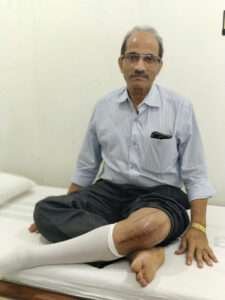



What is Hip Replacement Surgery?
Hip replacement surgery in thane is a medical procedure where the damaged hip joint is replaced with an artificial implant. The surgery is generally recommended when non-surgical treatments such as medication, physiotherapy, and lifestyle changes no longer provide relief.
About Dr bakul arora
Dr. Bakul Arora is a Consultant Joint Replacement & Orthopedic Surgeon currently practicing at Arora Clinic. He specializes in minimally invasive surgical techniques that offer faster recovery and improved patient comfort. He performs knee replacement surgery using the Subvastus approach and hip replacement surgery using the Direct Anterior Approach. These advanced methods provide multiple benefits for patients seeking modern orthopedic treatment. Patients looking for a trusted Knee Replacement doctor thane often prefer minimally invasive procedures because they help reduce pain and improve recovery speed.
Advantages of Minimally Invasive Joint Replacement Surgery
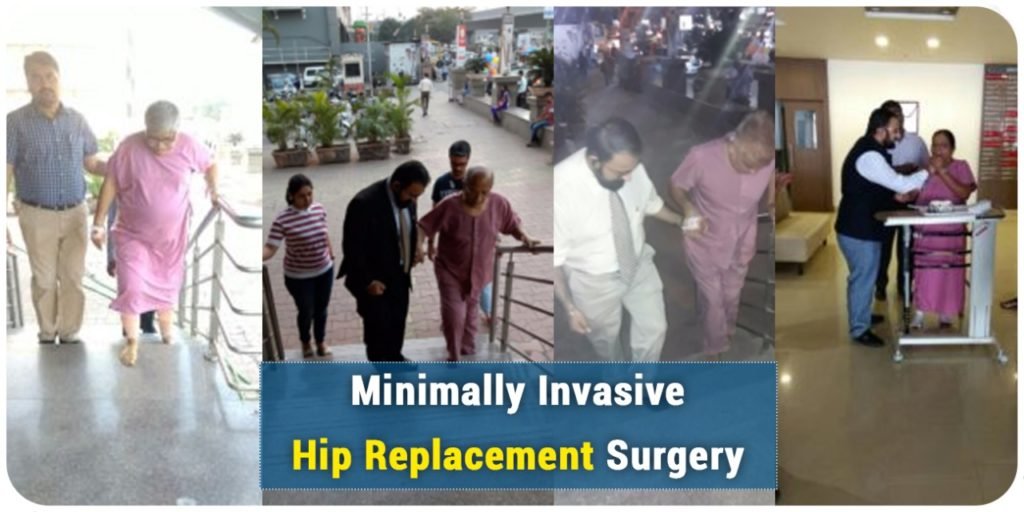
- Patients start walking within a few hours after surgery
- Stair climbing usually begins from the second day
- Hospital discharge generally happens within 3 days
- Minimal blood loss during surgery
- Blood transfusion is usually not required
- Reduced physiotherapy requirement
- Less antibiotic usage
- Stitchless surgical procedure
- Faster recovery within 2–3 weeks
According to Dr. Bakul Arora, many patients avoid surgery because of fear related to pain and long recovery associated with traditional methods. His advanced muscle-saving surgical techniques help minimize pain and support quicker rehabilitation. This approach reduces blood loss, lowers complications, and helps patients return to their normal lifestyle faster.
Patients searching for an experienced Knee Specialist thane often choose advanced minimally invasive orthopedic treatments for improved comfort, faster mobility, and better long-term outcomes.
Signs You May Need Hip Replacement
Patients often ignore early symptoms of hip problems. However, timely treatment can prevent severe complications.
Common Symptoms Include:
- Persistent hip pain while walking or sitting
- Difficulty climbing stairs
- Joint stiffness in the morning
- Reduced range of motion
- Limping while walking
- Pain spreading to the thigh or groin
- Difficulty standing for long periods
If these symptoms continue for several weeks, consulting a specialist is highly recommended.
Types of Hip Replacement Procedures
Procedure Type | Description |
Total Hip Replacement | Both ball and socket portions of the hip joint are replaced |
Partial Hip Replacement | Only the damaged portion of the hip is replaced |
Revision Hip Replacement | Replacement of an old or failed implant |
Minimally Invasive Hip Replacement | Advanced technique with smaller incisions and faster recovery |
Why Choose Dr. Bakul Arora for Hip Treatment?
Dr. Bakul Arora is known for offering patient-focused orthopedic care with modern treatment methods. Every patient receives detailed evaluation and customized treatment planning according to their condition and lifestyle requirements.
Patients searching for a trusted Hip Replacement Surgeon in thane often look for expertise, safety, and long-term treatment success. Proper surgical planning and rehabilitation are essential for better mobility and faster recovery.
Thank You "Times Group" for felicitating Arora Clinic for "Excellence in Patient Care"
We are really honored to receive this and we will continue to serve the society better than ever We aim to provide the world-class Knee/Hip Replacement Surgical (Minimal Invasive Surgery) treatment to every patient suffering from knee or hip pain and at the same time make their life pain-free and happy.


Patients Review on Arora Clinic
International Patients Videos
Conditions Treated with Hip Replacement
Hip replacement may be recommended for several orthopedic conditions such as:
- Osteoarthritis
- Rheumatoid arthritis
- Hip fractures
- Avascular necrosis
- Joint degeneration
- Severe hip injury
- Congenital hip deformities
These conditions can severely affect mobility if not treated on time.
Benefits of Hip Replacement Surgery
Modern hip replacement techniques offer multiple benefits to patients.
Major Benefits Include:
- Significant pain relief
- Improved mobility
- Better joint flexibility
- Enhanced quality of life
- Improved walking ability
- Long-lasting joint performance
- Faster recovery with advanced techniques
People searching for a reliable Hip Replacement doctor in thane usually want long-term relief and improved movement without constant pain.
Diagnosis Before Hip Replacement
Accurate diagnosis is important before planning surgery. The evaluation process may include:
- Physical examination
- X-rays
- MRI scans
- Blood tests
- Joint mobility assessment
These tests help determine the severity of joint damage and the best treatment option.
Hip Replacement Recovery Process
Recovery after hip replacement depends on the patient’s age, health condition, and rehabilitation process.
Recovery Timeline
Recovery Stage | Expected Duration |
Hospital Stay | 2–5 Days |
Walking with Support | Within 1–2 Days |
Return to Daily Activities | 4–6 Weeks |
Complete Recovery | 3–6 Months |
Physiotherapy plays a major role in strengthening the muscles and improving joint movement after surgery.
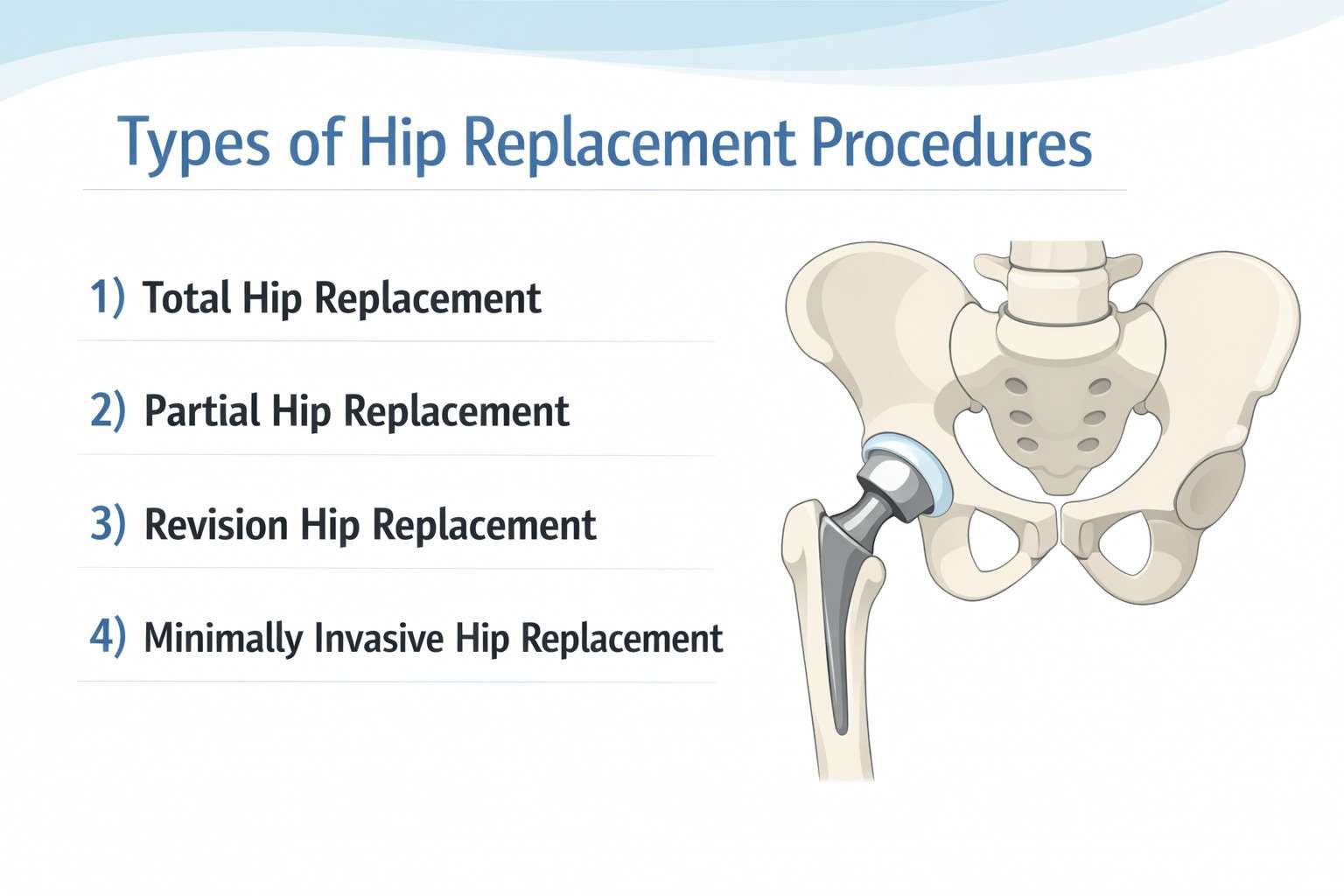
Types of Hip Replacement Procedures
Procedure Type | Description |
Total Hip Replacement | Both ball and socket portions of the hip joint are replaced |
Partial Hip Replacement | Only the damaged portion of the hip is replaced |
Revision Hip Replacement | Replacement of an old or failed implant |
Minimally Invasive Hip Replacement | Advanced technique with smaller incisions and faster recovery |
Who Needs Hip Replacement Surgery?
Hip replacement is usually recommended for patients who experience:
- Severe joint pain
- Difficulty performing daily tasks
- Poor response to medications
- Progressive hip damage
- Limited mobility affecting lifestyle
Many patients looking for experienced Hip Replacement Specialists in thane prefer advanced treatment options that provide both pain relief and functional improvement.
Advanced Techniques Used in Hip Surgery
Modern orthopedic treatments focus on precision and quicker recovery. Advanced techniques may include:
- Minimally invasive procedures
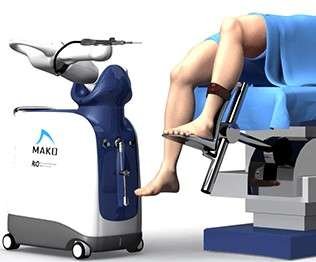
- Computer-assisted surgery
- High-quality implant systems
- Enhanced rehabilitation programs
These advancements help reduce complications and improve surgical outcomes.
Importance of Early Treatment
Ignoring hip pain for a long time can worsen joint damage. Early diagnosis allows better treatment planning and may even delay the need for surgery in some cases.
Consulting a qualified Hip Specialist in thane at the right time can help preserve joint function and improve daily comfort.
How to Prepare for Hip Replacement Surgery
Before surgery, patients may be advised to:
- Maintain a healthy diet
- Control diabetes and blood pressure
- Stop smoking
- Follow physiotherapy guidance
- Complete required medical tests
Proper preparation improves surgical safety and recovery outcomes.
Post-Surgery Rehabilitation
Rehabilitation is an important part of recovery after hip replacement. Patients are usually guided through:
- Walking exercises
- Muscle strengthening exercises
- Balance training
- Flexibility improvement
- Lifestyle modifications
Patients often experience gradual improvement in movement and reduction in pain during the recovery phase.
How to Prepare for Hip Replacement Surgery
Before surgery, patients may be advised to:
- Maintain a healthy diet
- Control diabetes and blood pressure
- Stop smoking
- Follow physiotherapy guidance
- Complete required medical tests
Proper preparation improves surgical safety and recovery outcomes.
Post-Surgery Rehabilitation
Rehabilitation is an important part of recovery after hip replacement. Patients are usually guided through:
- Walking exercises
- Muscle strengthening exercises
- Balance training
- Flexibility improvement
- Lifestyle modifications
Patients often experience gradual improvement in movement and reduction in pain during the recovery phase.
Lifestyle After Hip Replacement
Most patients can return to routine activities after recovery. Maintaining a healthy lifestyle helps increase the lifespan of the implant.
Recommended Lifestyle Tips
- Maintain healthy body weight
- Continue light exercises
- Avoid high-impact activities
- Attend follow-up consultations
- Follow physiotherapy recommendations
Patients treated by an experienced Hip Surgeon in thane often achieve improved mobility and better long-term joint function.
Hip pain can affect every part of daily life, but modern orthopedic care offers effective treatment solutions. With advanced surgical techniques, proper rehabilitation, and expert guidance, hip replacement surgery can help restore movement and reduce chronic pain.
Patients searching for trusted care for hip joint problems often look for experienced specialists who focus on personalized treatment and long-term recovery. Consulting the right orthopedic expert can help improve mobility, comfort, and overall quality of life.
FAQS
Patients looking for advanced orthopedic care often consult experienced specialists like Dr. Bakul Arora for personalized treatment, accurate diagnosis, and modern surgical techniques for hip joint problems.
You may need hip replacement surgery if you experience severe hip pain, stiffness, difficulty walking, trouble climbing stairs, or reduced mobility that does not improve with medication or physiotherapy.
Yes, modern hip replacement surgery is generally considered safe when performed by an experienced orthopedic surgeon using advanced surgical techniques and proper rehabilitation care.
Most patients start walking within 1–2 days after surgery with support. Complete recovery may take around 3–6 months depending on overall health and physiotherapy progress.
Hip replacement surgery can help reduce chronic pain, improve mobility, restore joint movement, and enhance overall quality of life.
Modern hip implants can last 15–20 years or even longer with proper care, regular follow-ups, and a healthy lifestyle.
Yes, elderly patients can successfully undergo hip replacement surgery if they are medically fit. Many older adults experience significant pain relief and improved mobility after treatment.
Hip replacement may be recommended for osteoarthritis, rheumatoid arthritis, hip fractures, avascular necrosis, severe joint damage, or chronic hip pain affecting daily activities.
Yes, physiotherapy is an important part of recovery. It helps strengthen muscles, improve flexibility, and restore walking ability after surgery.
While selecting a surgeon, patients should consider experience, treatment approach, surgical expertise, patient reviews, and post-surgery rehabilitation support.
Google Map
CLINIC ADDRESS
Arora Clinic, Shop No. 13, Block 2, Emerald Plaza, Hiranandani Meadows, Glady Alvares Road, Behind Standard Chartered Bank, Thane west – 400610
Contact: +91- 9326004795
Managed By Hopeland Healthcare @ All Rights Reserved 2023.