
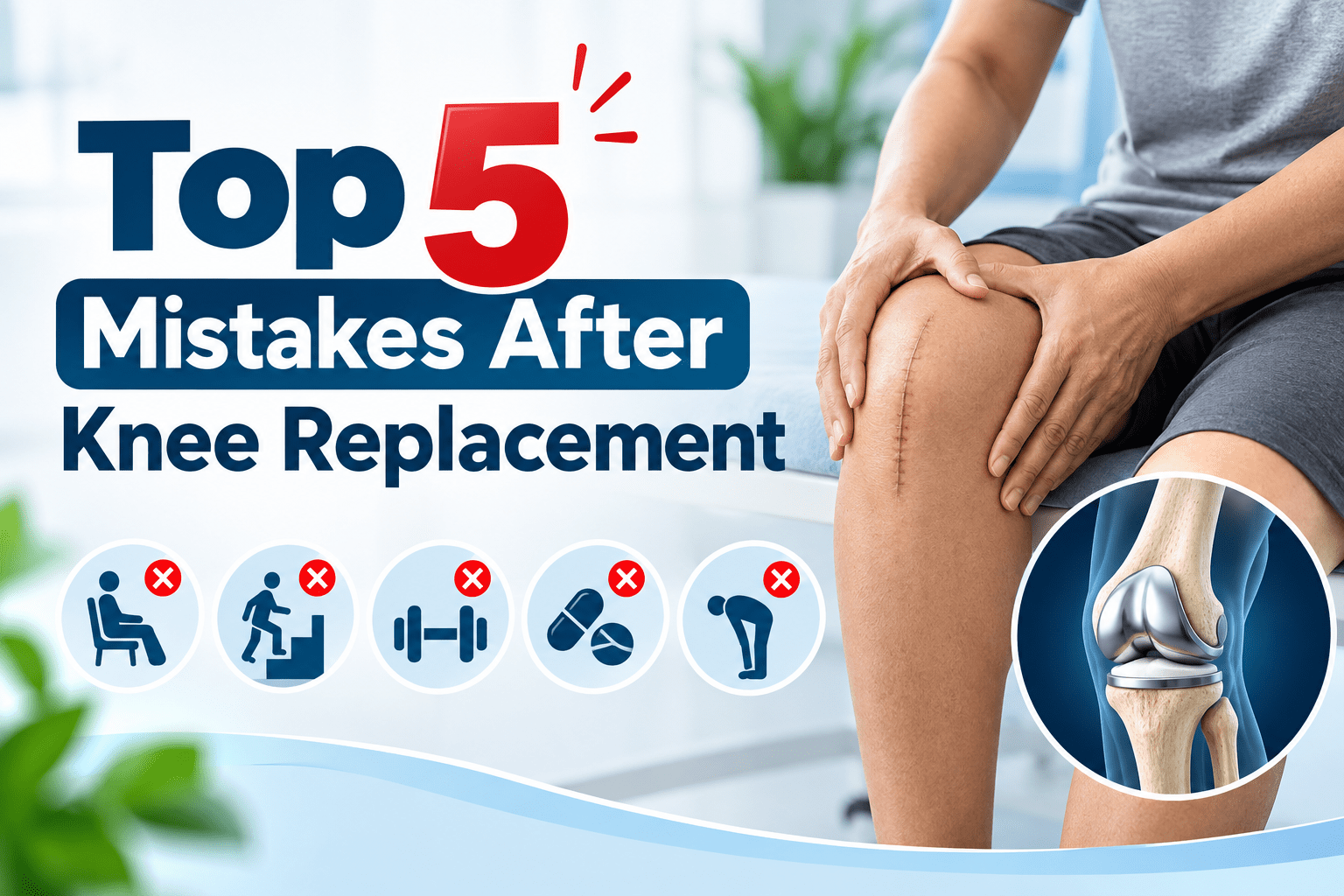
Top 5 Mistakes After Knee Replacement
Knee replacement surgery can help reduce pain and improve movement, but recovery does not end when the operation is over. The weeks and months after surgery are important for healing and regaining strength. Some everyday mistakes can slow recovery, increase discomfort, or affect the final result.
If you have recently had knee replacement surgery, knowing the Top 5 Mistakes After Knee Replacement can help you avoid common problems and support a smoother recovery. Always follow the specific instructions given by your doctor because recovery plans can differ from person to person.
What is Modern Knee Replacement Surgery?
1. Doing Too Much Too Soon
One of the most common mistakes after knee replacement is trying to return to normal activities too quickly. You may feel better after a few weeks and want to walk longer distances, climb many stairs, or do household work without enough rest.
However, the knee needs time to heal. Too much activity can increase swelling and pain.
Instead, increase your activity gradually. Short walks, gentle exercises, and regular rest are usually more helpful than pushing yourself too hard. Your physiotherapist or Orthopedic Surgeon in Thane can guide you about which activities are suitable at each stage of recovery.
2. Skipping Physiotherapy and Exercises
Physiotherapy is an important part of knee replacement recovery. Some patients stop their exercises when pain becomes less or when they feel they can walk better.
This can make it harder to regain proper knee movement and muscle strength.
Your exercise program may include movements to improve flexibility, strengthen the muscles around the knee, and improve walking ability. Doing the recommended exercises regularly can support your recovery.
If you are considering Orthopedic Surgery in Thane discuss the expected rehabilitation process with your orthopedic specialist before surgery so you know what to expect afterward.
3. Ignoring Pain, Swelling, or Other Warning Signs
Some pain and swelling can be expected after knee replacement. However, you should not ignore symptoms that are severe, worsening, or unusual.
Contact your doctor if you notice problems such as increasing redness or warmth around the wound, unusual discharge, fever, severe or worsening pain, or significant swelling. Sudden breathing difficulty or chest pain requires urgent medical attention.
Early medical advice can help identify complications and prevent them from becoming more serious. Whether you are consulting an orthopedic doctor in Thane or elsewhere, keep your follow-up appointments and report concerning symptoms.
4. Forgetting to Use Support When Needed
After knee replacement, your balance and leg strength may not immediately return to normal. Some people stop using a walker, cane, or other support because they feel embarrassed or believe they should already be walking independently.
Stopping support too early can increase the risk of falls.
Use the walking aid recommended by your doctor or physiotherapist until you can walk safely without it. Keep floors free of loose rugs and clutter, use proper lighting, and take extra care on stairs.
If you are searching for an orthopedic doctor in Thane West choose a specialist who can assess your condition and provide appropriate guidance for both surgery and recovery.
5. Returning to High-Impact Activities Too Early
Another important mistake after knee replacement is returning to high-impact activities before your doctor says it is safe.
Running, jumping, heavy lifting, and certain sports can place significant stress on the new knee. Your doctor may recommend lower-impact activities such as walking, swimming, or cycling, depending on your recovery.
The right activity level depends on your age, health, surgery, muscle strength, and progress. Always ask your doctor before starting a new exercise or sport.
For people looking for an Orthopedic Surgeon in Thane a proper consultation can help determine the right treatment and rehabilitation plan for knee problems.
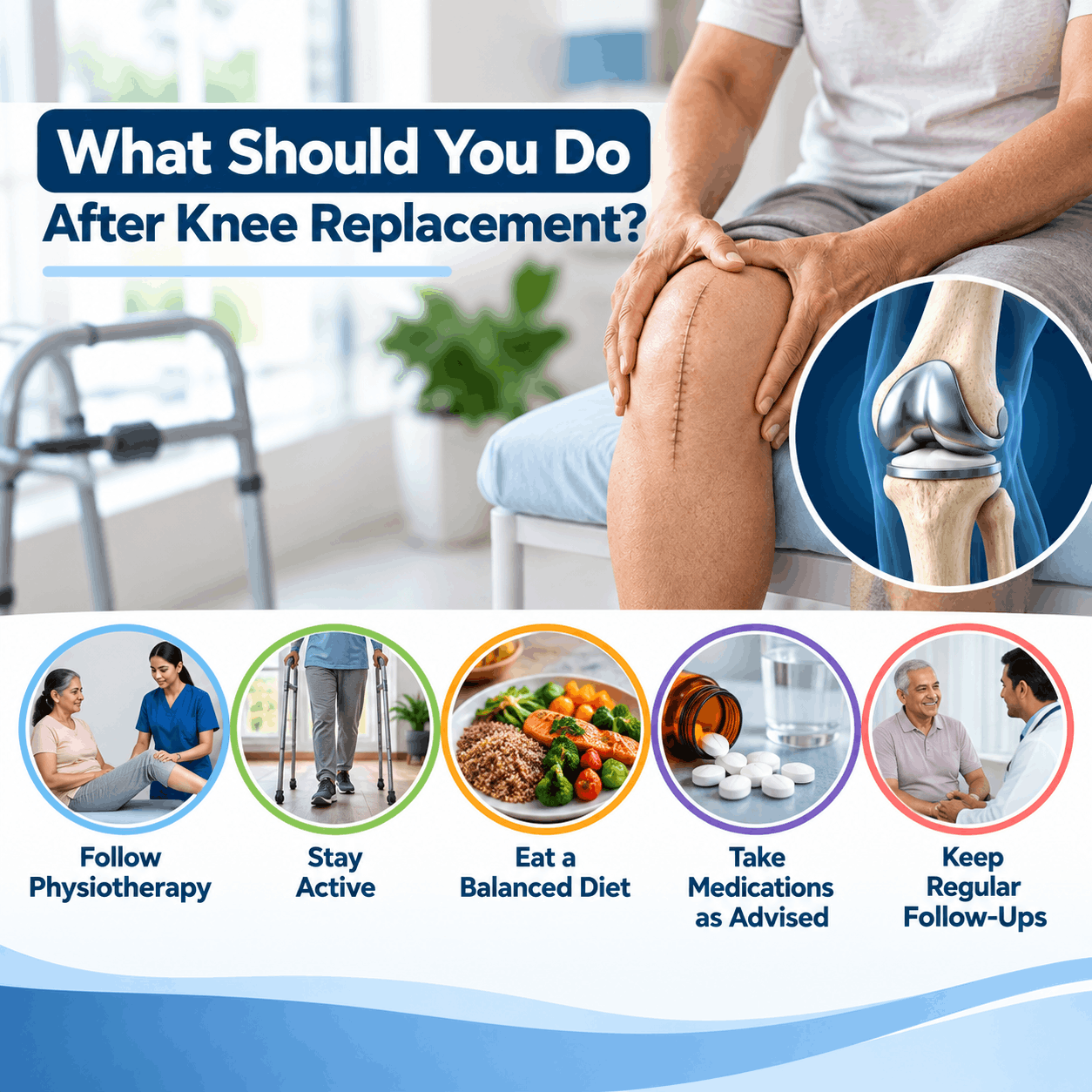
What Should You Do After Knee Replacement?
A good recovery routine can make the rehabilitation process easier. Consider these basic steps:
- Follow your doctor’s instructions carefully.
- Take prescribed medicines as directed.
- Attend scheduled physiotherapy sessions.
- Complete your recommended exercises regularly.
- Increase walking and daily activities gradually.
- Use walking support until you are ready to stop.
- Maintain a healthy body weight.
- Keep your surgical wound clean according to your doctor’s instructions.
- Attend follow-up appointments.
- Contact your doctor if you notice unusual symptoms.
If you are planning knee replacement surgery, you can learn more about the procedure from the Knee Replacement Surgeon at Arora Clinic
When Should You Consult an Orthopedic Specialist?
Persistent knee pain, difficulty walking, stiffness, swelling, or reduced mobility should not always be treated with home remedies. An orthopedic specialist can examine your knee, identify the underlying problem, and recommend suitable treatment.
People searching for an best orthopedist in Thane or an Orthopedic Doctor in Thane should consider factors such as experience, treatment options, patient needs, and follow-up care rather than choosing a doctor based only on online rankings.
For knee problems that require surgery, discussing your options with an experienced orthopedic specialist can help you understand whether knee replacement or another treatment may be appropriate.
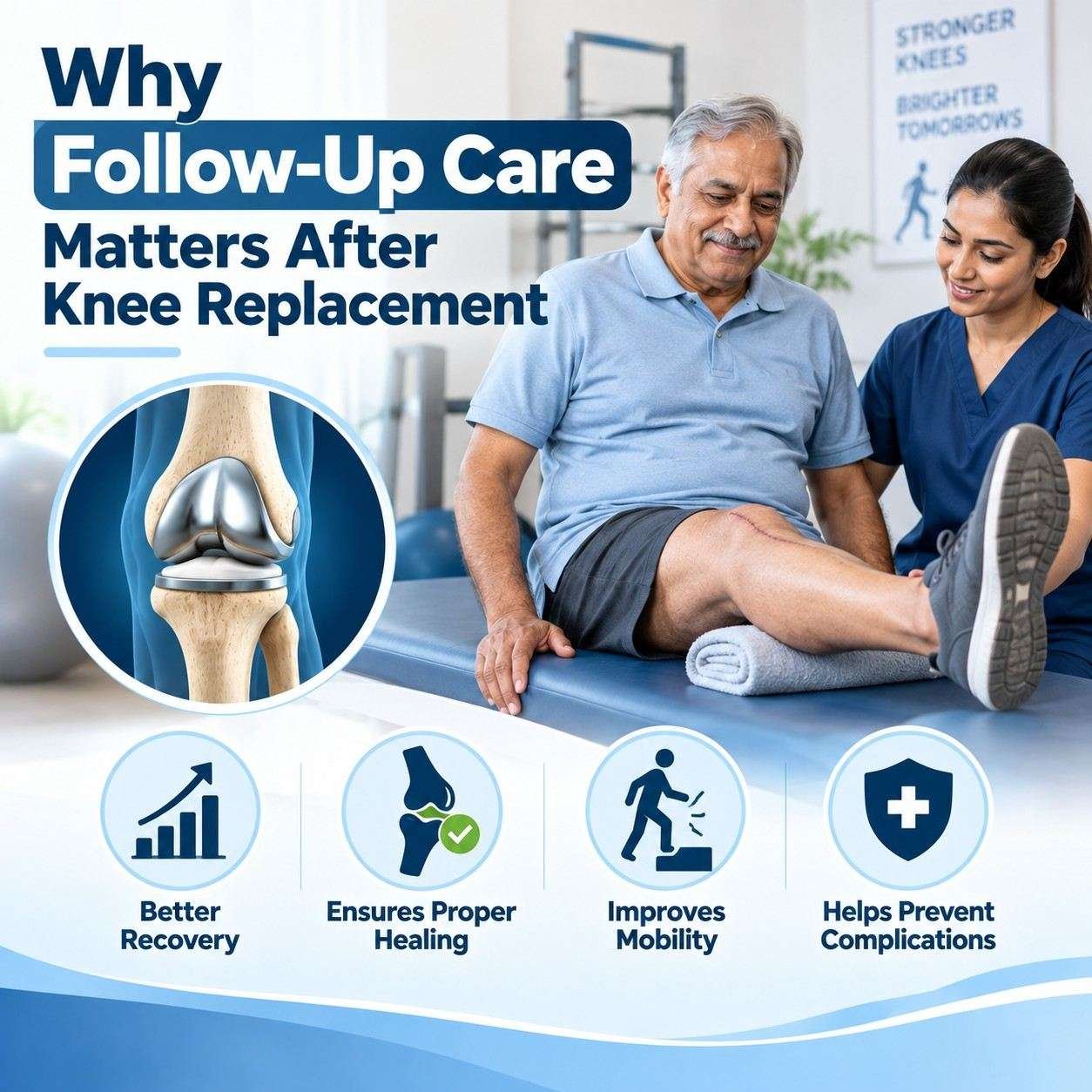
Why Follow-Up Care Matters After Knee Replacement
Knee replacement recovery is a gradual process. Regular follow-up allows your doctor to assess healing, knee movement, strength, and overall progress. It also gives you an opportunity to discuss pain, swelling, exercise, or concerns about daily activities.
Good post-surgery care is just as important as the operation itself. If you have questions about your recovery or want to discuss knee treatment, you can also find the Knee Replacement doctor through this Google Maps listing Knee Specialist
Conclusion
Knowing the Top 5 Mistakes After Knee Replacement can help patients make better choices during recovery. Doing too much too soon, skipping physiotherapy, ignoring warning signs, stopping walking support early, and returning to high-impact activities prematurely can all interfere with recovery.
A successful knee replacement involves more than the surgery itself. Following medical advice, attending physiotherapy, staying active at the right level, and maintaining regular follow-ups can help you work toward better knee function.
If you are experiencing knee pain or considering orthopedic operation in Thane consult an experienced orthopedic specialist to understand your treatment options and the recovery process.