

How Do You Know When Knee Pain Needs Surgery Instead of Medicines?
Knee pain can make everyday activities such as walking, climbing stairs, standing, or getting out of a chair difficult. Many people manage their symptoms with medicines, physiotherapy, and lifestyle changes. However, when these treatments no longer provide enough relief, surgery may become an option. Understanding How Do You Know When Knee Pain Needs Surgery Instead of Medicines? can help you recognize when it is time to seek an orthopedic evaluation.
Not every case of knee pain requires surgery. The right treatment depends on the cause of the pain, the severity of joint damage, your mobility, and how well non-surgical treatments work. An experienced orthopedic specialist can assess your condition and help you make an informed decision.
Can Knee Pain Be Treated Without Surgery?
Yes. Many knee problems improve with non-surgical treatments, especially when diagnosed early. Medicines may reduce pain and inflammation, while physiotherapy can strengthen the muscles around the knee and improve flexibility. An experienced specialist can help determine whether these treatments are sufficient or if Orthopedic Surgery in Thane may be required for long-term relief.
Common non-surgical treatments include:
- Pain-relieving medicines prescribed by a doctor
- Physiotherapy and strengthening exercises
- Weight management
- Activity modification
- Walking aids when needed
- Selected injections, depending on the diagnosis
However, these treatments may not provide enough relief when the knee joint has severe damage or advanced arthritis. In such cases, an orthopaedic specialist may recommend further evaluation to determine whether Orthopedic operation in Thane is a suitable option. The decision depends on the severity of the condition, symptoms, mobility, and response to previous treatments.

How Do You Know When Knee Pain Needs Surgery Instead of Medicines?
Certain symptoms may indicate that you need a detailed evaluation for surgical treatment.
1. Persistent Knee Pain Despite Treatment
If your knee pain continues despite medicines, physiotherapy, and other recommended treatments, the underlying problem may require further investigation.
Persistent pain can occur because of advanced osteoarthritis, cartilage damage, previous injuries, or other joint conditions.
An Orthopedic Surgeon in Thane can examine your knee, review your medical history, and determine whether surgery should be considered.
2. Difficulty Walking or Climbing Stairs
Knee pain that limits your ability to walk, climb stairs, stand for long periods, or perform household activities can significantly affect your quality of life.
If these difficulties continue despite appropriate treatment, your doctor may recommend imaging tests to assess the joint.
Surgery may be an option when structural damage is severe and other treatments have not provided sufficient relief.
3. Severe Knee Arthritis
Osteoarthritis gradually wears down the protective cartilage inside the knee joint. As the cartilage becomes thinner, the bones may move less smoothly, causing pain, stiffness, and reduced movement.
Symptoms of advanced knee arthritis may include:
- Pain during walking
- Stiffness after resting
- Swelling around the joint
- Reduced knee movement
- Pain at rest or during the night
- Difficulty performing everyday activities
When these symptoms become severe and non-surgical treatments are no longer effective, knee replacement may be recommended.
4. Knee Deformity or Instability
Some patients develop bowing of the legs or changes in knee alignment because of advanced joint damage.
Others may experience a knee that feels unstable or gives way while walking.
These symptoms require proper evaluation because they may increase the risk of falls and further limit movement. Depending on the underlying condition, an orthopedic doctor may recommend corrective surgery or joint replacement.
Knee pain that repeatedly interrupts sleep or prevents you from enjoying normal activities should not be ignored.
If pain continues despite appropriate treatment, consult an orthopedic specialist to review your options. Surgery is considered based on the overall condition of the joint and the effect of symptoms on daily life, rather than pain alone.
When Is Knee Replacement Surgery Recommended?
Knee replacement surgery may be considered when severe arthritis or other joint damage causes persistent pain and significant functional limitations.
Your doctor may discuss surgery if:
- Pain affects your daily activities.
- Walking has become difficult.
- Knee movement is significantly restricted.
- X-rays show advanced joint damage.
- Medicines and physiotherapy have not helped enough.
- Your quality of life has declined because of knee pain.
A decision about surgery should be made after a clinical examination, appropriate investigations, and discussion of the benefits, risks, and alternatives.
You can learn more about the procedure on Dr. Bakul Arora’s Knee Replacement Surgery page.
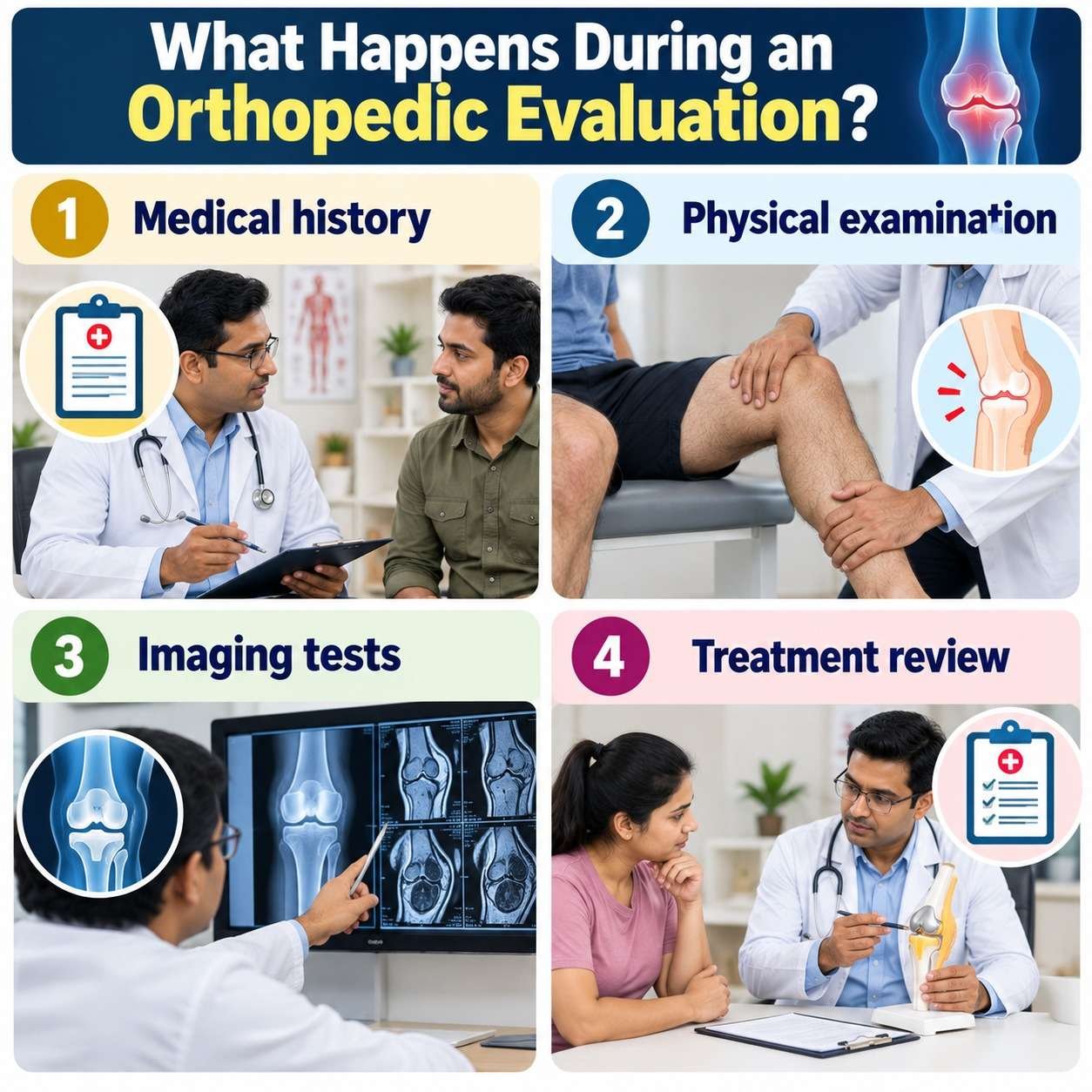
What Happens During an Orthopedic Evaluation?
Before recommending surgery, an orthopedic specialist will evaluate the cause and severity of your knee pain.
The assessment may include:
Medical history: Your doctor will ask about the duration of pain, previous injuries, treatments tried, and difficulties with daily activities.
Physical examination: The knee will be assessed for swelling, tenderness, stability, alignment, and range of motion.
Imaging tests: X-rays can help identify arthritis and joint damage. An MRI may be recommended when additional information about cartilage, ligaments, or other soft tissues is needed.
Treatment review: Your doctor will consider whether further non-surgical treatment is appropriate or whether surgery offers a better chance of improving your symptoms.
Consulting an experienced orthopedic doctor in Thane can help you understand your diagnosis and available treatment options.
What Are the Benefits of Knee Replacement Surgery?
For appropriately selected patients with advanced knee joint damage, knee replacement can provide several benefits.
Reduced Pain
Replacing damaged joint surfaces can significantly reduce arthritis-related pain.
Better Mobility
Many patients experience improved walking ability and greater ease with everyday movements after recovery.
Improved Independence
Reduced pain and better joint function may help patients return to household activities, social outings, and other daily routines.
Better Quality of Life
Successful treatment may improve sleep, confidence, and participation in activities that were previously limited by knee pain.
Results vary from person to person, and recovery requires appropriate rehabilitation.
Is Knee Replacement Surgery Safe?
Knee replacement is a commonly performed procedure, but, like all major surgeries, it carries certain risks. Consulting an experienced Knee Replacement Surgeon Thane can help patients understand the procedure, its benefits, and possible complications before making a decision.
Possible complications include infection, blood clots, stiffness, bleeding, and problems involving the implant. Your surgeon will assess your overall health and explain how to prepare for surgery and reduce these risks.
Following post-operative instructions and attending physiotherapy sessions are important parts of recovery. To learn more about the procedure and available treatment options
Can You Delay Knee Surgery?
In some cases, surgery can be delayed while symptoms are managed through physiotherapy, medicines, activity changes, and other suitable treatments.
However, there is no single timeline that applies to every patient. If knee pain continues to worsen or mobility declines, delaying an orthopedic evaluation may prolong discomfort and reduce independence.
A consultation at an Orthopedic Clinic in Thane can help you understand whether continuing non-surgical treatment is reasonable or whether it is time to discuss surgical options.
Why Choose Dr. Bakul Arora?
Dr. Bakul Arora provides orthopedic consultation for patients experiencing knee pain, arthritis, and joint-related mobility problems. A proper evaluation helps determine whether medicines, physiotherapy, or a surgical procedure may be appropriate.
If you are searching for the best orthopedist in Thane consider the doctor’s qualifications, relevant surgical experience, approach to treatment, and willingness to explain the benefits and risks of each option.
Patients looking for an orthopedic doctor in Thane West can seek professional advice when knee pain starts affecting walking, sleep, or everyday activities.
For clinic directions and location details, visit: Knee Specialist in Thane
Conclusion
Understanding How Do You Know When Knee Pain Needs Surgery Instead of Medicines? starts with recognizing when pain begins to affect your mobility, sleep, and quality of life despite appropriate treatment. Medicines and physiotherapy remain useful for many knee conditions, but advanced arthritis, significant joint damage, deformity, or persistent functional limitations may make surgery a suitable option.
If knee pain is interfering with your daily activities, consult an experienced orthopedic specialist for a proper diagnosis and personalized treatment plan. With the right evaluation, you can understand your options and decide whether continued non-surgical care or knee replacement surgery is appropriate for your condition.